Seasonal Cooking
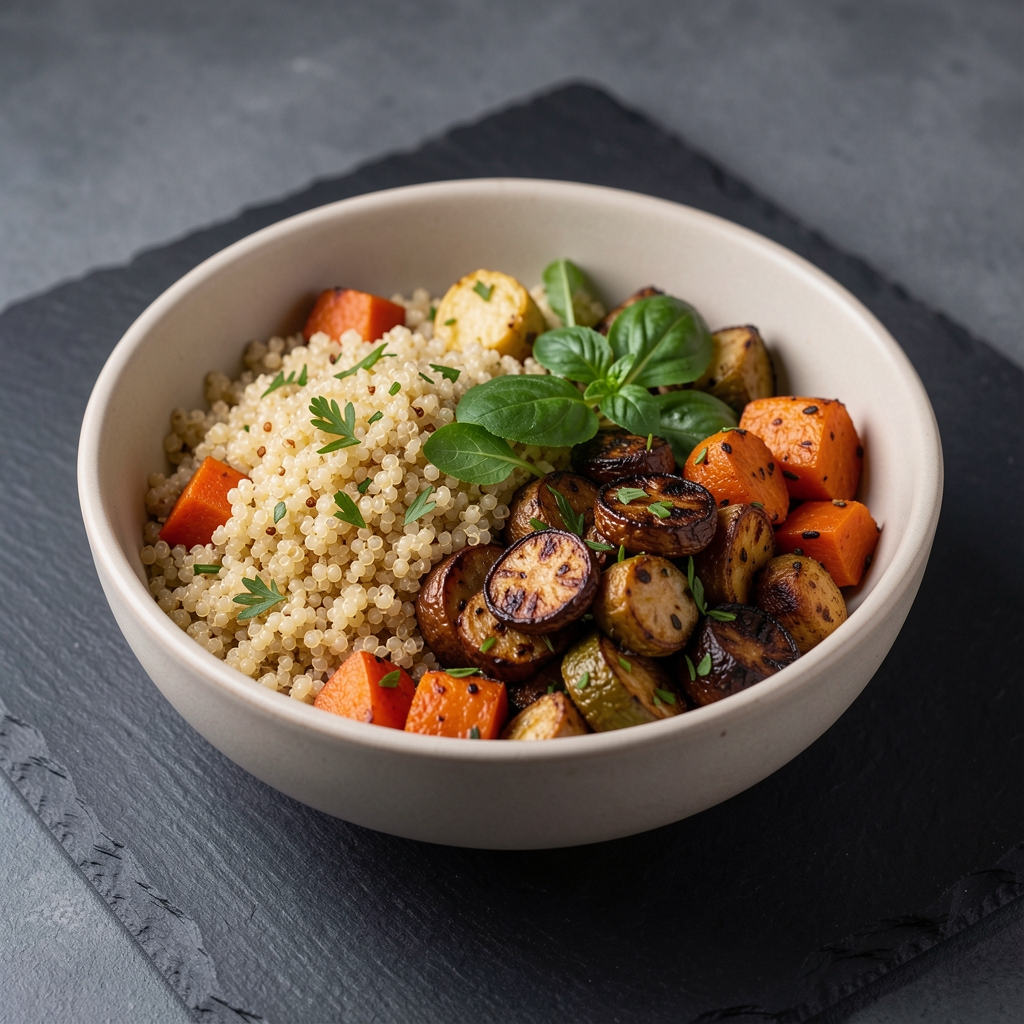
The balanced plate is one of the most frequently invoked concepts in everyday nutritional guidance, and one of the least precisely defined. What proportion of a plate should be vegetables? Where do whole grains sit in relation to protein? These are not abstract questions. They are practical ones, answered differently depending on which published framework you consult.
Several nutritional bodies have published visual plate models over the past two decades. The UK's Eatwell Guide, updated in 2016 and still the reference document for dietary guidance from the National Health Service, divides the plate into five food group segments: fruit and vegetables occupy the largest share at just over a third; starchy carbohydrates (with a preference for whole grain variants) take a similarly large portion; dairy or dairy alternatives, protein sources, and oils occupy progressively smaller segments.
The Harvard Healthy Eating Plate, developed by nutritional researchers at Harvard T.H. Chan School of Public Health, takes a slightly different position: vegetables and fruits together occupy half the plate, while whole grains and healthy proteins split the remaining half. Healthy oils are referenced separately. The two frameworks broadly agree on direction while differing on emphasis — a useful reminder that the balanced plate is less a fixed formula than a general orientation.
What both frameworks share is a consistent preference for whole foods over processed variants: whole grains over refined, fresh or minimally processed proteins over ultra-processed products, and a clear emphasis on vegetable and fruit volume as the foundation of any given meal. This broad consensus is where the practical definition of a balanced plate begins.
"Balance, in the nutritional sense, is less an arithmetic exercise than an architectural one — it is about the proportions in which things coexist."
Tobias Marsden — Orani Almanac
Portion awareness is a more useful concept than calorie counting for most people navigating everyday eating. It does not require numerical precision; it requires a general sense of proportion. The palm-of-hand heuristic for protein, the cupped-hand measure for carbohydrates, the generous handful for salad leaves — these approximations are rough but directionally reliable. They also require no equipment, which matters for durability as a daily habit.
Calorie awareness, distinct from calorie counting, is a related but different orientation. Understanding that a tablespoon of olive oil contributes around 120 kilocalories does not require tracking that number — it simply informs how freely one uses it. Similarly, knowing that a large bowl of white pasta with minimal accompaniment is a different caloric object to the same weight of roasted vegetables provides a useful background context for everyday choices. This kind of knowledge is absorbed rather than calculated, and it develops naturally with the habit of home cooking.
Energy balance — the relationship between what is consumed and what is expended — underlies body composition over time. A sustainable weight approach does not require precise daily tracking of this balance. It benefits from a general understanding that consistent overconsumption relative to activity levels tends, across months, to produce weight gain; and that consistent alignment between intake and expenditure tends to produce stability. The granularity required is surprisingly coarse.
Fibre-rich diet recommendations have strengthened considerably over the past decade of published nutritional research. The UK government's Scientific Advisory Committee on Nutrition (SACN) published a detailed review in 2015 recommending an increase in daily fibre intake to 30 grams for adults — a figure that the majority of UK adults do not currently reach. The gap between recommendation and reality is principally one of food selection: a diet centred on whole grain carbohydrates, legumes, vegetables, and fruits naturally approaches or reaches this figure without supplementation.
Gut-friendly recipes that incorporate legumes — lentils, chickpeas, butter beans — provide both fibre and protein in a single ingredient, making them particularly efficient from a balanced-plate perspective. A portion of lentil dal alongside a small serving of whole grain rice and a side of steamed greens represents a nutritionally complete meal by most published frameworks, at minimal cost and with straightforward preparation.
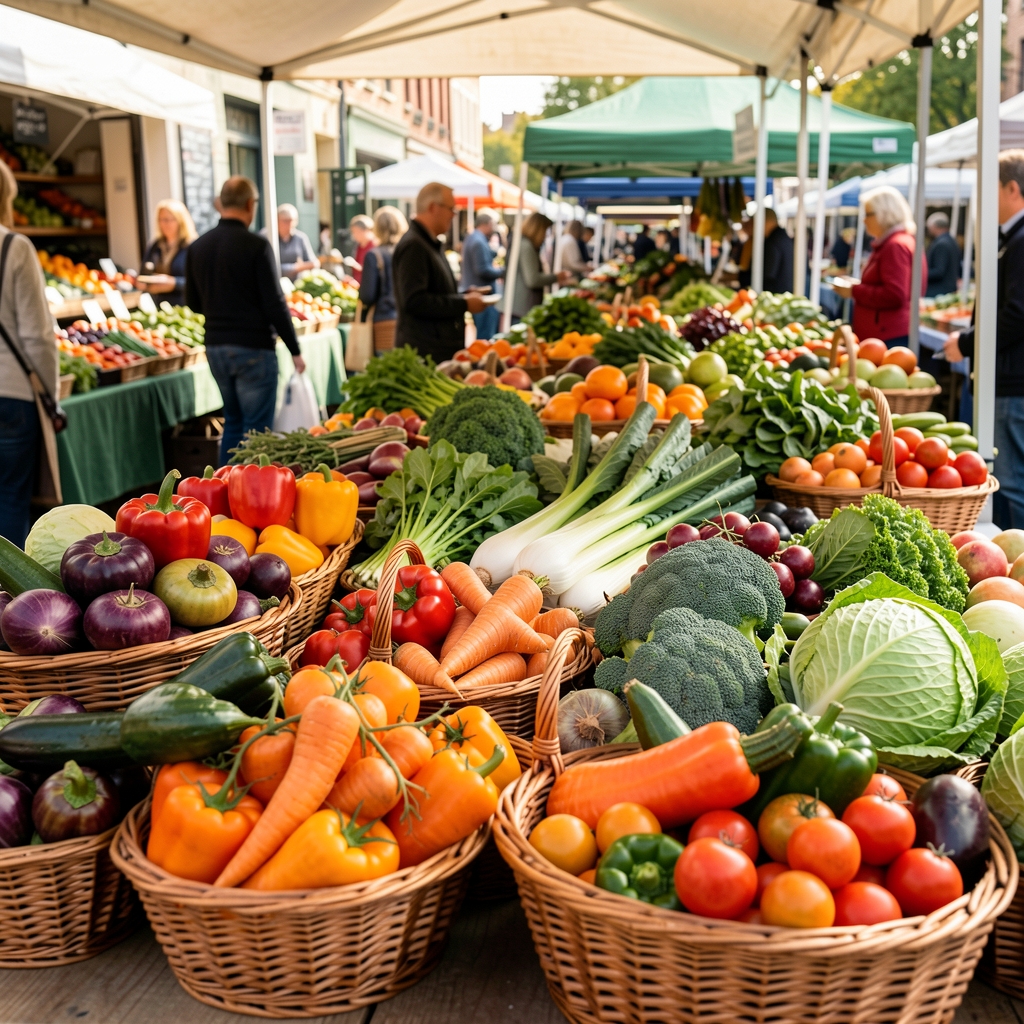
The role of gut microbiome diversity in overall health has become a significant area of nutritional research interest. While the field is still developing, the directional consensus — that a varied, plant-forward diet with high fibre content supports microbiome richness — is sufficiently consistent across published findings to inform practical choices. Rotating the specific vegetables and legumes that appear on the weekly menu, rather than relying on a small number of preferred items, is a low-effort way of supporting this diversity.
Protein's position in the balanced plate has shifted in popular perception over the past decade, driven partly by sport and fitness culture and its emphasis on protein-to-fibre ratios and daily targets. For the average active adult, protein requirements are more modest than this culture suggests: published recommendations typically sit between 0.8 and 1.2 grams per kilogram of body weight per day, depending on activity level and age.
Meeting this range from whole food sources — a combination of legumes, eggs, fish, dairy, and modest portions of lean meat — is straightforward within a varied diet. The value of distributing protein across multiple meals, rather than concentrating it in one, is supported by several independent research reviews looking at muscle protein synthesis. Three meals each containing a reasonable protein portion appear more effective than one large protein intake.
The intersection of protein intake with an active lifestyle is a practical rather than a supplementary concern. Sport and fitness activity increases both caloric requirement and protein utilisation. Adjusting the plate architecture on training days — slightly larger portions of protein and carbohydrate — is a simple response that does not require specialist guidance for most recreational athletes.
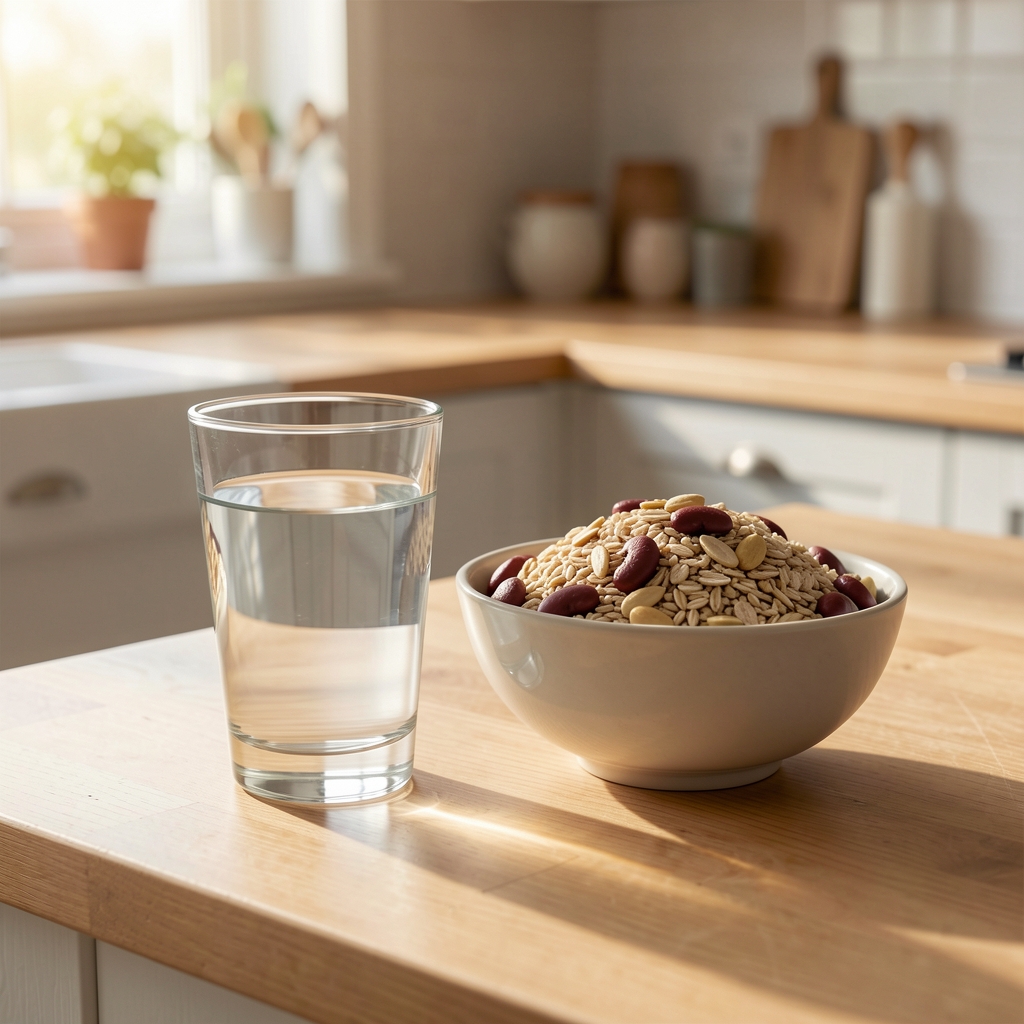
Hydration habits sit adjacent to the balanced plate rather than within it, but the relationship is practical. Eating slowly — a mindful eating practice with consistent support in published research on satiety — requires pausing between bites, and a glass of water at the table naturally supports this rhythm. Soups and broths, particularly those made from vegetable-rich stocks, contribute both to hydration and to the overall nutritional profile of the meal.
The British Dietetic Association recommends approximately 1.5–2 litres of fluid daily from all sources, including food. This figure is not a precise target but a general orientation. For most people eating a diet with reasonable vegetable and fruit content, fluid intake from food alone contributes meaningfully to this range.

Tobias Marsden writes on the science and practice of everyday nutrition, with a particular interest in how published research translates — or fails to translate — into usable daily guidance.
More from this author →